Health Screening
Workplace SkinChecks
A 20-minute, head-to-toe skin cancer screening delivered at your workplace using DermLite dermoscopy to detect suspicious lesions and melanoma early.
Trusted in workplaces across Aotearoa




Early melanoma detection, delivered at work
New Zealand has one of the highest melanoma rates in the world. Onsite workplace SkinChecks remove the barriers that stop people getting checked, no travel, no waiting lists, no excuses.
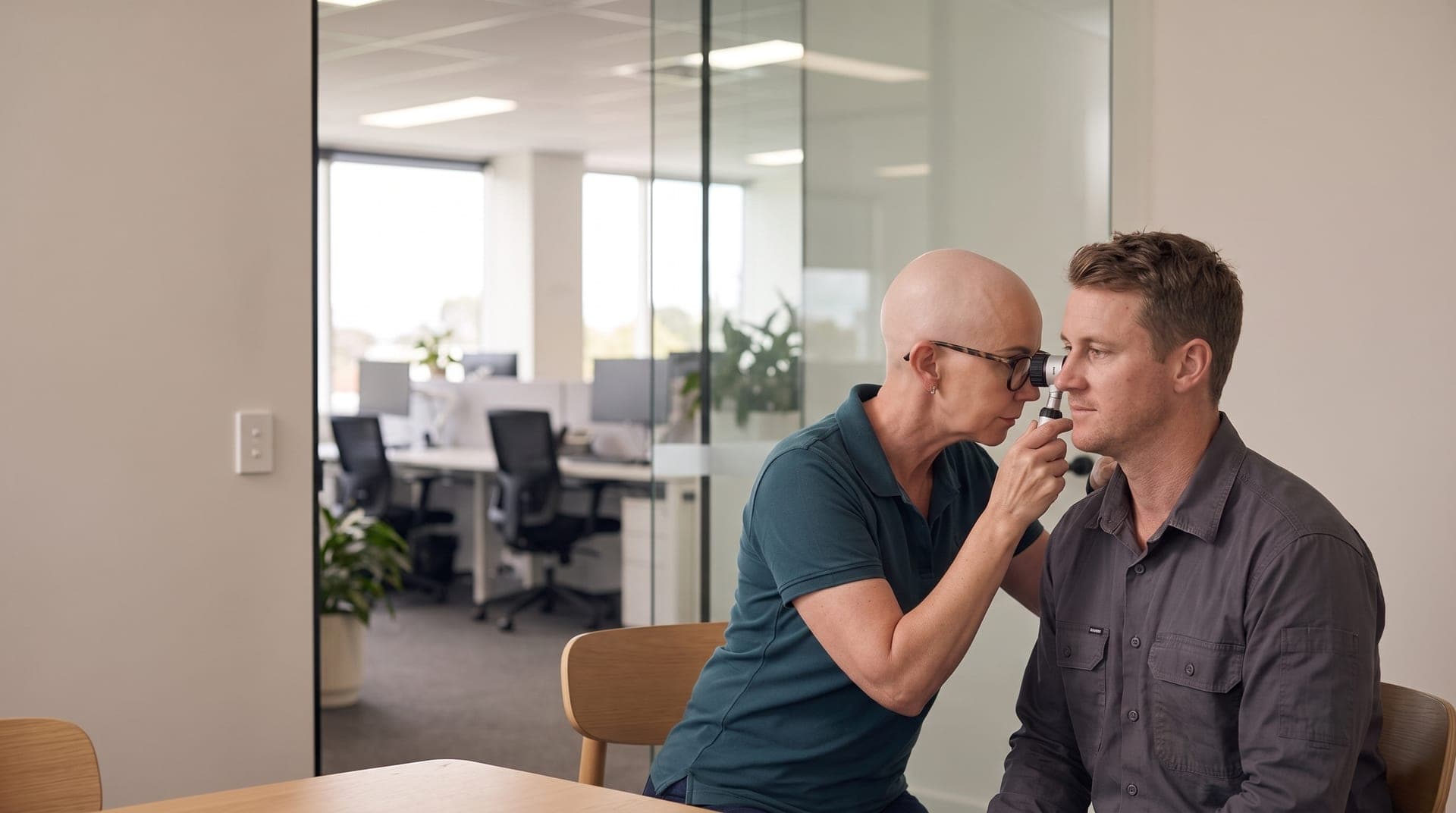
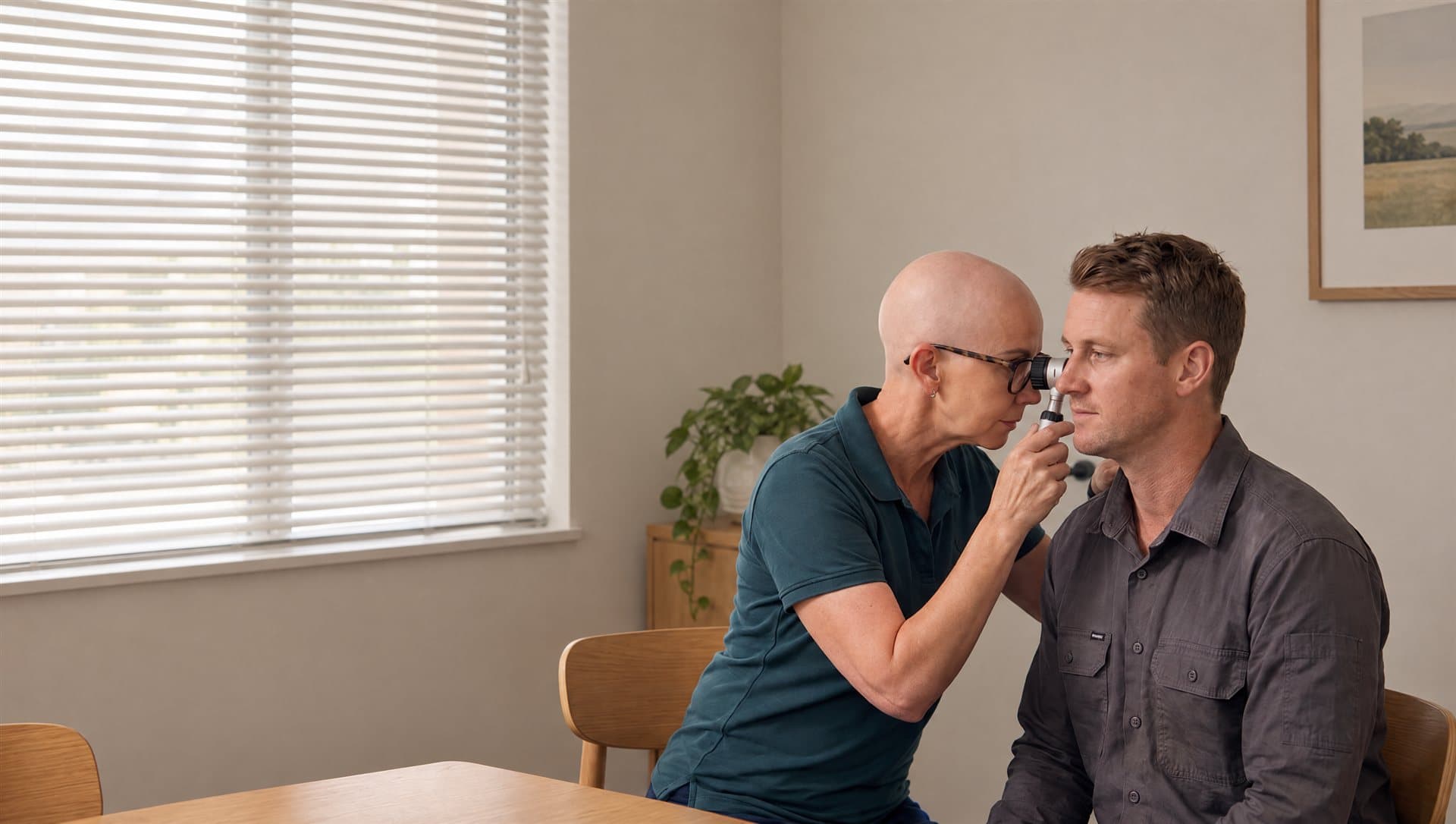
Each screening is a comprehensive head-to-toe assessment where the clinician detects and documents any suspicious lesions with precision. We use advanced DermLite dermoscopy alongside Healthbox Live technology to image, map and analyse moles at a deeper level, enhancing early detection of melanoma and other skin cancers.
Participants also receive practical education on skin cancer and sun safety, helping reduce future risk while supporting your organisation's duty of care. Individual SkinChecks are also available at our Auckland and Christchurch clinics.
What's included
One appointment, everything taken care of
20
minutes per employee
Delivered in a single onsite visit, with nothing extra for your team to organise.
Your results go to you, and only you.
Online Skin Cancer Risk Assessment
Each employee completes a short online Skin Cancer Risk Assessment before their appointment to determine individual risk.
Head-to-toe dermoscopy examination
A highly qualified clinical nurse specialist in dermoscopy conducts a head-to-toe assessment for at-risk moles using a dermatoscope (a handheld microscope).
Lesion imaging and mapping
Photos of at-risk lesions are taken for tracking over time and for referral if a biopsy is needed.
Referrals where needed
If a suspicious lesion is identified, a referral is provided to further determine the diagnosis.
Sun safety education
Practical guidance on skin cancer prevention tailored to New Zealand's harsh UV environment.
How it works
Up and running in four steps.
- 01
Employees self-book online
Our online booking system lets each team member pick a time that suits, no admin burden on you.
- 02
We come to you
A qualified Healthbox clinical nurse specialist in dermoscopy sets up at your workplace.
- 03
Head-to-toe dermoscopy examination
Head-to-toe dermoscopy with imaging of any at-risk lesions.
- 04
Results and referrals
Each person leaves knowing their skin status, with referral pathways arranged for anything suspicious.
Client stories
What workplaces tell us
“Bookings filled within two days of the link going out. The clinicians were brilliant with our drivers and warehouse crew. People who'd normally never get a skin check were first in line.”
“We run hybrid teams across three floors and home offices. Healthbox handled the lot: onsite health checks for the building, remote ergonomic assessments for everyone else. Zero admin on our side.”
“The de-identified workforce report gave our leadership team the evidence to fund a full wellbeing calendar. Participation hit 87%. Our previous off-site programme never cracked 30%.”
Workplace SkinChecks: your questions answered
How long does a workplace SkinCheck take?
Who performs Healthbox workplace SkinChecks?
What happens if a suspicious mole is found?
Why should employers offer SkinChecks at work?
Do employees need to prepare for a SkinCheck?
Often combined with

Workplace HealthChecks
Support a healthier workforce through prevention
Learn more →
Workplace SafetyChecks
Targeted screening. Actionable insights. Healthier teams.
Learn more →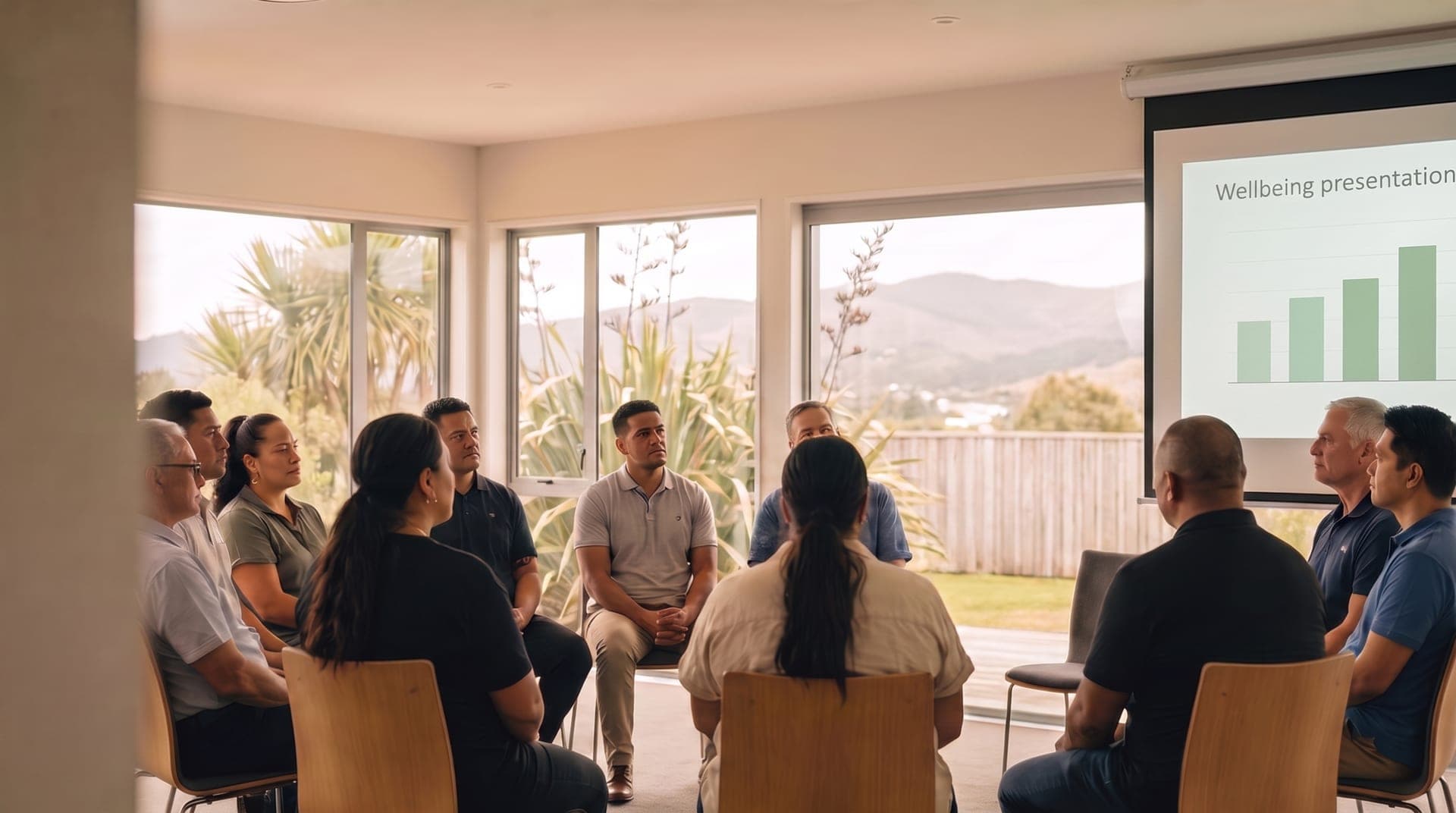
Workshops & Seminars
Science-backed wellbeing education for your team
Learn more →Insights
Related reading


Book Workplace SkinChecks for your team
Get a quote scaled to your headcount, or combine services into one onsite visit.