

Skin Cancer Checks: Early Detection and Skin Cancer Prevention Tips in New Zealand
- Trish Baker
- Feb 10
- 4 min read
Skin cancer is one of the most common cancers in New Zealand. The good news? Early detection saves lives. When caught early, skin cancer is highly treatable. That’s why regular skin cancer checks are essential. In New Zealand, where the sun can be strong and outdoor lifestyles are popular, staying vigilant is key. I want to share practical advice and insights on how to protect yourself and your team through effective skin cancer prevention and early detection.
Why Skin Cancer Prevention Tips Matter
Prevention is always better than cure. Skin cancer prevention tips are not just about avoiding sunburns. They involve a combination of smart habits and awareness. New Zealand’s UV levels are among the highest in the world, so even short sun exposure can cause damage. Here are some simple but powerful tips to reduce your risk:
Wear broad-spectrum sunscreen with at least SPF 30 every day, even on cloudy days.
Seek shade during peak UV hours, usually between 10 AM and 4 PM.
Wear protective clothing, including wide-brimmed hats and UV-blocking sunglasses.
Avoid tanning beds and deliberate sunbathing.
Regularly check your skin for any new or changing spots, moles, or lesions.
These steps are easy to integrate into daily routines. They protect not only your skin but also your overall health. Encouraging these habits in the workplace can create a culture of wellness and safety.

Understanding the Importance of Early Skin Cancer Checks
Early detection is the cornerstone of successful treatment. Skin cancer often starts as a small, harmless-looking spot. But over time, it can grow and spread. Regular skin cancer checks help catch these changes before they become serious.
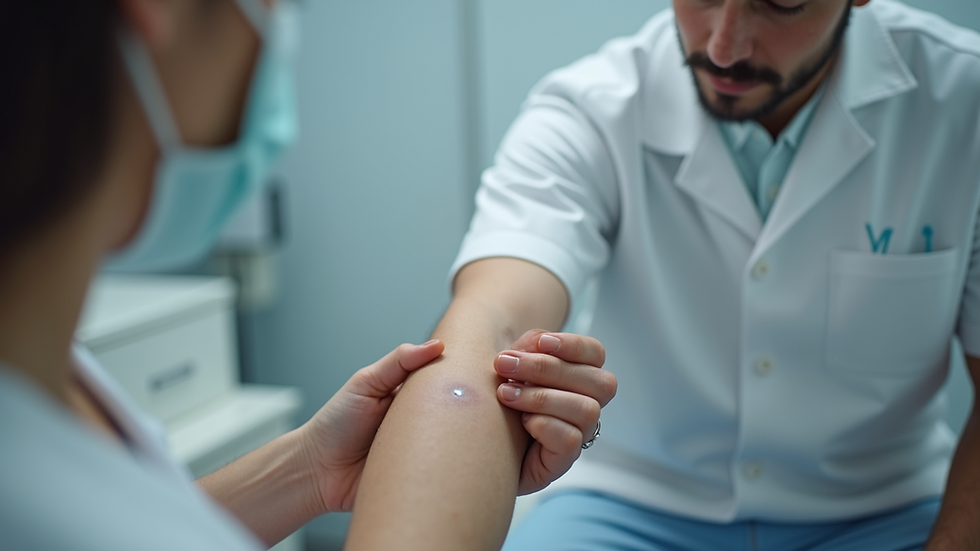
In New Zealand, many clinics and health providers offer professional skin cancer screening. These checks involve a thorough examination of your skin by trained specialist in Dermoscopy. They look for suspicious moles, lesions, or other signs of skin cancer. Healthbox uses advanced tools like dermatoscopes to get a closer look.
If you notice any of the following, it’s time to book a check:
A new mole or spot that looks different from others.
Changes in size, shape, or colour of an existing mole.
A sore that doesn’t heal.
Itching, bleeding, or crusting on a spot.
Pink that doesn't heal, may bleed or ulcerate
Early detection means less invasive treatment and better outcomes. It also reduces the risk of cancer spreading to other parts of the body.
How Businesses Can Support Skin Cancer Awareness and Checks
Workplaces have a unique opportunity to promote skin cancer awareness and prevention. Healthbox is committed to helping New Zealand businesses empower their employees with wellness programs that include skin health.
Here are some practical ways businesses can support skin cancer prevention:
Organise regular skin cancer screening events with local on-site clinics.
Provide sun protection gear such as hats, sunscreen, and UV-protective clothing for outdoor workers.
Educate employees through workshops, newsletters, and posters about the importance of skin checks and sun safety, high UV exposure times.
Encourage breaks in shaded areas during outdoor work hours.
Include skin cancer prevention in health and safety policies.
By taking these steps, businesses not only protect their workforce but also demonstrate care and responsibility. Healthy employees are more productive and engaged, which benefits the entire organisation.
For those looking for reliable, professional skin check services, please reach out to admin@healthbox.co.nz
What to Expect During a Healthbox Skin Cancer Check
If you’ve never had a skin cancer check before, you might be curious about the process. Here’s what typically happens during a skin cancer screening:
Medical history review: The clinician will ask about your personal and family history of skin cancer, sun exposure habits, and any concerns you have.
Full skin examination: You will be asked to remove clothing items only as needed. The clinician will examine your entire skin surface, including hard-to-see areas like your scalp, back, and feet.
Use of diagnostic tools: A dermatoscope (hand-held microscope) will be used to magnify, illuminate and identify suspicious spots.
Documentation: Photos or notes may be taken to monitor changes over time or for referral.
Advice and follow-up: If any spots look suspicious, you may be referred for a biopsy or specialist consultation. You will receive a full clinical and educational report following your appointment.
The whole process is quick, painless, and confidential. Regular checks, usually once a year or as recommended, are a smart investment in your health.
Taking Control of Your Skin Health Today
Skin cancer is a serious health issue, but it is also one we can fight if detected early and effectively. By adopting skin cancer prevention tips and committing to regular checks, you take control of your skin health. Healthbox offers excellent resources and services to support you on this journey.
Remember, prevention and early detection go hand in hand. Protect your skin daily, stay alert to changes, and seek professional advice when needed. Your skin is your body’s largest organ - it deserves your attention and care.
Let’s make skin cancer checks a regular part of our health routine. Together, we can reduce the impact of skin cancer in our communities and workplaces.
Stay safe, stay sun-smart, and keep your skin healthy!
Empower your team with Healthbox’s comprehensive wellness programs that include skin cancer awareness and prevention. Because healthy employees build thriving businesses.


Comments