
Understanding the Impact of Workplace Audiometry Screening
Noise-induced hearing loss (NIHL) represents a widespread occupational hazard affecting millions globally across diverse industries. Sustained exposure to elevated noise levels can harm delicate inner ear structures, resulting in irreversible hearing impairment. Beyond auditory effects, excessive noise contributes to stress, fatigue, reduced productivity, and workplace accidents stemming from compromised communication and situational awareness.
Hearing impairment extends across multiple life dimensions. Individuals may experience difficulty understanding speech, psychological effects including isolation and frustration, and strained family relationships. Socially, people may withdraw from group activities and struggle participating in conversations. Employment prospects and job performance also suffer, reducing productivity and satisfaction.
Is There a Legal Obligation Around Noise Hazards?
The Health & Safety at Work Act 2015 establishes essential protections against excessive noise exposure. Under this legislation, employers must undertake all practicable steps addressing harmful noise levels.
Intervention priorities include:
- Eliminating or controlling noise at its source
- Isolating or insulating noisy processes when elimination proves infeasible
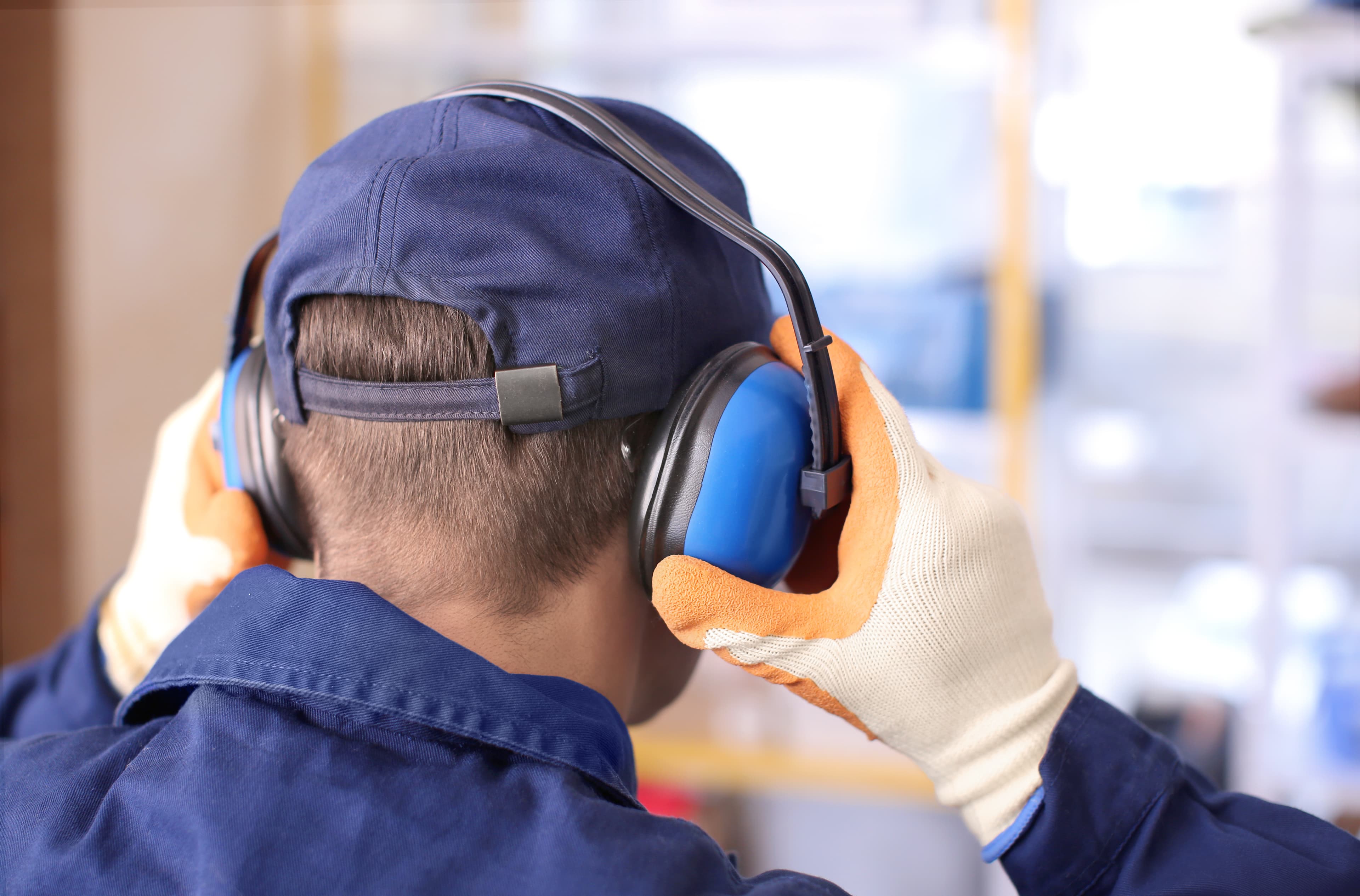
- Minimizing harm through approved hearing protection devices
Employers must:
- Designate noisy areas as hazardous with signage complying with NZS/AS 1319 specifications
- Conduct regular training through toolbox meetings
- Demonstrate leadership commitment to safety protocols
- Schedule noisy tasks during reduced staffing periods
- Position rest areas away from high-noise zones
- Implement annual audiometric testing
Prioritising Workplace Audiometry Prevention and Screening
Prevention supersedes treatment for protecting employee hearing health. Noise often remains unavoidable in workplace settings, making hearing protection and screening programs indispensable.
Employers can safeguard hearing health through:
- Providing and enforcing appropriate protective equipment (earplugs, earmuffs, ear canal caps) that significantly reduces NIHL risk
- Implementing comprehensive screening programs demonstrating commitment to employee well-being
The Importance of Screening
Regular workplace hearing screening identifies early signs of hearing loss, enabling timely intervention. Integrating routine assessments into health programs allows detection and support provision for affected employees.
Workplace hearing tests serve multiple functions:
- Spotting existing hearing loss
- Addressing basic issues like ear infections or excessive earwax
- Identifying individuals susceptible to noise exposure
- Reinforcing proper hearing protection use among staff
- Facilitating referrals to appropriate treatment services
- Determining if personalized hearing protection or warning systems are necessary
Early NIHL detection prevents further deterioration, and prompt support access underscores employer commitment to employee well-being.
Prioritizing workplace hearing protection and screening ensures workplaces remain safe and healthy environments. Contact the Healthbox team to address hearing health and noise hazard obligations.