
Understanding the Hazards of Dust
Dust exposure presents serious health risks beyond mere inconvenience. Particles from various materials can become airborne during cutting, grinding, drilling, or similar tasks, leading to respiratory issues and long-term health complications. The Health and Safety at Work Act emphasizes employer responsibility to mitigate these risks.
Introducing On-Tool Water Suppression
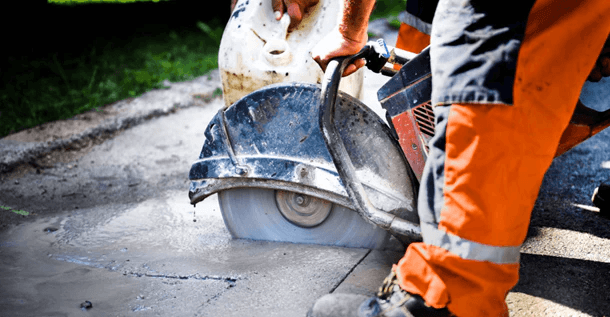
On-tool water suppression involves attaching a water suppression system directly to the tool being used, such as a grinder or saw. This method wets material during cutting or grinding, reducing airborne dust generation. Under Section 36 of the Health and Safety at Work Act 2015, employers must eliminate or minimize health and safety risks as reasonably practicable.
Benefits of On-Tool Water Suppression
- Health Protection: Reduces airborne dust and safeguards respiratory health, minimizing asthma and silicosis risks.
- Efficiency: Water suppression improves visibility and cutting accuracy without compromising productivity.
- Compliance: Demonstrates commitment to health and safety regulations, reducing non-compliance penalties.
Implementing On-Tool Water Suppression
To effectively implement these systems, employers should:
- Select appropriate, compatible equipment and maintain it properly
- Train workers on correct use, maintenance procedures, and safety protocols
- Conduct regular inspections to ensure equipment functions correctly
Workplace Lung Function Testing: Safeguarding Your Team's Health
While on-tool water suppression controls exposure, regular health monitoring remains essential. Exposure to airborne dust can lead to respiratory issues such as reduced lung function, chronic obstructive pulmonary disease (COPD), and even lung cancer.
Understanding the Risks
Conditions may not manifest immediately but can develop over time with prolonged exposure to hazardous substances in the workplace.
The Role of Workplace Lung Function Testing
Workplace lung function testing assesses respiratory health through spirometry, measuring lung capacity and function. Regular monitoring enables early detection of respiratory impairment and preventive measures.
Benefits of Workplace Lung Function Testing
- Early Detection: Regular testing allows timely intervention before serious deterioration occurs.
- Compliance: Partnering with reputable providers ensures adherence to health and safety regulations.
- Employee Well-being: Prioritizing testing demonstrates organizational commitment to worker health and improves workplace morale.
Conclusion
Controlling dust with on-tool water suppression represents one critical component of comprehensive workplace safety. Equally important is proactive monitoring of employee health through workplace lung function testing. Combining these approaches creates healthier, more productive work environments while ensuring regulatory compliance.